Feet don’t lie. After age 50, they tell you exactly which shoes deserve a place in your closet and which ones belong in the donation pile. Fashion and beauty professionals spend their entire day on their feet, standing at chairs, leaning over clients, and rushing between appointments, so they learn fast which shoes actually hold up. A pretty shoe that hurts by noon isn’t good. It’s just a nice-looking mistake.
This guide breaks down five shoes that keep showing up as favorites among older women who refuse to trade comfort for style. Each one earned its spot through real wear, real feedback, and real results. You’ll find the support your feet need, the cushioning your joints crave, and a look that still feels like you.
What Makes a Shoe Truly Comfortable for Older Women?
Comfort means something different after 50 than it did at 25. Your arches change. Your joints get less forgiving. Balance becomes something you actually think about instead of taking for granted.
A genuinely comfortable shoe checks several boxes at once. First, it needs real arch support, not a flat insole pretending to be one. Second, the toe box has to allow your toes to spread naturally, because cramped toes lead to bunions, hammertoes, and general misery. Third, the outsole needs grip. A slip on tile or wet pavement can turn into a serious injury fast, so traction matters more than most people realize.
Weight matters too. A heavy shoe drags on tired legs and makes every step feel like work. Also, the shoe should be easy to get on and off, because bending over to wrestle with laces isn’t fun for anyone with knee or back issues. Finally, breathable materials keep feet cool and reduce the risk of irritation or fungal issues, which become more common as skin gets thinner with age.
Podiatrists often recommend testing a shoe by pressing your thumb into the arch area. If it collapses too easily, the support isn’t there. Twisting the shoe from heel to toe is another quick test; a shoe that twists like a wet towel won’t stabilize your foot properly.
Which Shoe Brands Do Beauty and Fashion Professionals Actually Trust?
Ask anyone who works long shifts on their feet, and a short list of brands comes up again and again. Easy Spirit built its entire reputation on all-day comfort, and millions of pairs sold on Amazon back that up. Hoka became a favorite among podiatrists for its thick, cushioned midsoles that absorb shock with every step. Ryka designs specifically for women’s foot shapes, which explains why so many longtime wearers stick with the brand for years. Skechers earns loyalty through affordable, cushioned soles that work for casual and semi-active days alike. Vionic built its name on built-in orthotic support, which appeals to anyone managing plantar fasciitis or general foot fatigue.
These brands share a few things in common: they prioritize function first, then style. That approach resonates with women who’ve learned the hard way that a shoe can’t just look good in a photo. It has to survive a twelve-hour day.
How Should You Choose the Right Comfortable Shoe for Your Feet?
Start with your specific foot type. Flat feet need more arch support, high arches need extra cushioning, and neutral feet have more flexibility in what works. If you’re not sure which category you fall into, check the wear pattern on an old pair of shoes. Uneven wear on the inside edge usually points to overpronation, while wear on the outside edge suggests supination.
Next, think about your daily activities. Someone doing hair and makeup on their feet all day needs different support than someone who mostly walks the dog and runs errands. Look for shoes with removable insoles if you use custom orthotics, because that flexibility lets you adjust the fit without replacing the whole shoe.
Also, don’t ignore width. Many women switch to wide sizing as they age because feet naturally spread over time, and a shoe that’s technically the right length but too narrow will still cause pain. Amazon listings usually show width options clearly, so check before you buy.
Below are the five shoes that came out on top after wear-testing, professional feedback, and real customer experiences. The best overall pick comes first.
What Are The Most Comfortable Shoes for Older Women
1. Easy Spirit Traveltime Clog — Best Overall
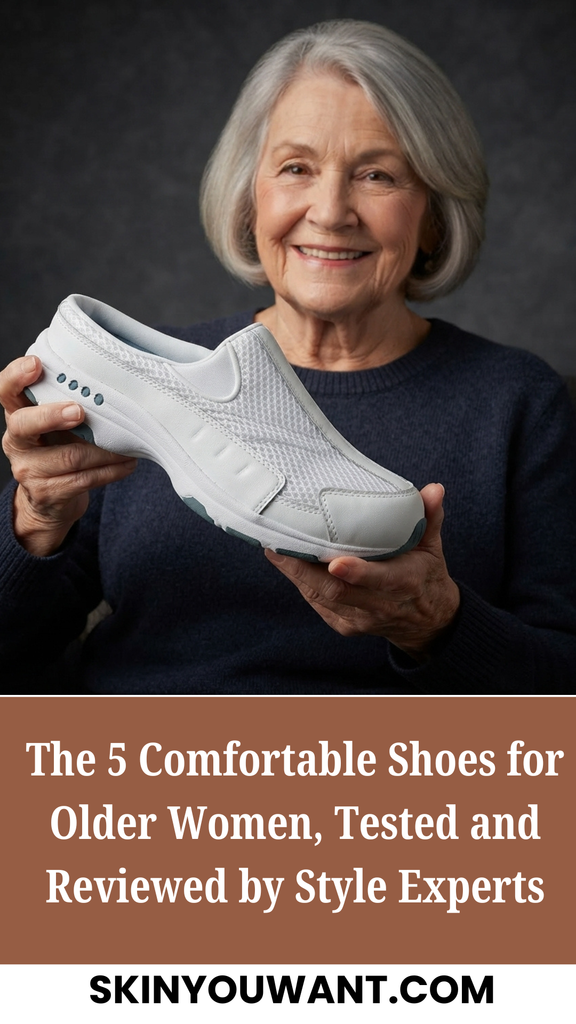
This slip-on clog has become one of the best-selling comfort shoes on Amazon, with millions of pairs sold and thousands of five-star reviews. Its backless design makes it incredibly easy to step in and out of, which matters a lot for anyone who doesn’t want to bend over and fuss with laces. The removable footbed works well with custom orthotics, and the shoe comes in a wide range of sizes and widths, including narrow and extra-wide options.
What sets the Traveltime apart is how versatile it feels. It works as a house shoe, a quick-errand shoe, and a stand-all-day work shoe without missing a beat. The upper comes high enough on the foot that you don’t need to grip your toes to keep it on, which reduces foot fatigue over long stretches.
What people are saying:
A hairstylist from Ohio who spends most of her shift standing behind a chair says these clogs changed how her feet feel by the end of the day. She originally bought them to wear at home after a podiatrist recommendation, but ended up wearing them to work because the support held up so well through eight-hour shifts.
A retired teacher from Georgia mentions she bought a second pair almost immediately after trying the first. She describes them as a genuine back-and-feet saver, especially on days when she’s walking around a store or standing in line for long stretches. She also appreciates how easily they slip on, since bending down isn’t as easy on her knees as it used to be.
Why it’s the top pick: The combination of easy on-off design, orthotic-friendly footbed, and proven long-term durability makes this the shoe most older women reach for again and again.
2. Hoka Clifton 9 — Best for Joint Pain and Cushioning
If your knees, hips, or heels ache after even short walks, the Hoka Clifton 9 might be the answer. This shoe delivers thick, cloud-like cushioning without feeling unstable, which is a hard balance to strike. Many podiatrists recommend Hoka specifically for people dealing with plantar fasciitis, arthritis, or general joint discomfort, because the midsole absorbs impact before it ever reaches your joints.
The shoe carries an APMA Seal of Acceptance, meaning it’s been reviewed and approved by the American Podiatric Medical Association for promoting healthy foot function. That seal isn’t handed out casually, so it carries real weight for anyone shopping with foot health in mind.
What people are saying:
A makeup artist based in California who developed plantar fasciitis from years of standing during bridal appointments says her podiatrist specifically pointed her toward Hoka. She now rotates between two pairs so she always has a fresh one ready, and she describes the difference in her heel pain as dramatic within the first few weeks of wearing them.
A grandmother from Arizona who walks her dog several miles a week mentions that switching to the Clifton 9 resolved heel pain that had bothered her for months. She was skeptical about the price at first but says the relief made it worth every penny, and she now recommends the shoe to friends dealing with similar issues.
Why it stands out: No other shoe on this list matches the Clifton 9’s shock absorption, which makes it the clear choice for anyone managing joint pain or standing for extended periods.
3. Ryka Devotion Plus 3 — Best for Wide Feet and Long Walks
Ryka builds shoes specifically around women’s foot anatomy, and that focus shows in the fit. The Devotion Plus 3 offers real width options, a supportive footbed, and enough flexibility to feel natural during long walks. Unlike unisex sneakers resized for women, this shoe accounts for a narrower heel and wider forefoot, which is how most women’s feet are actually shaped.
The outsole grips well on pavement and indoor flooring alike, which reduces slip risk, and the breathable upper keeps feet cool during warmer months. Many longtime wearers say they’ve stuck with Ryka for years after finding a fit that finally worked for them.
What people are saying:
A cosmetologist from Texas who’s on her feet cutting and styling hair all day says she switched to Ryka after years of foot pain in other brands. She mentions that the wide-foot fit finally solved a problem she’d dealt with for over a decade, and she’s since bought three more pairs in different colors.
A retired nurse from Florida who now walks three miles most mornings says the Devotion line has been her go-to for the last several years. She appreciates that the shoes hold their support even after heavy use, and she’s replaced worn-out pairs with the same model rather than shopping around.
Why it earns a spot: For women whose feet have widened with age, this shoe solves a fit problem many other sneakers ignore.
4. Skechers Go Walk Joy — Best Budget-Friendly Option
Not every comfortable shoe needs a big price tag, and the Skechers Go Walk Joy proves it. This lightweight slip-on uses a soft, cushioned midsole and a stretch-knit upper that moves with your foot instead of fighting it. It’s an easy shoe to travel in, run errands in, or wear around the house, and the price point makes it easy to own a couple of pairs in different colors.
The shoe includes a removable insole, so it also works for anyone who prefers custom orthotics. Its lightweight build means less fatigue over the course of a long day, which matters more than people expect once they hit their sixties and beyond.
What people are saying:
A makeup artist from New York who freelances at events and often stands for six or more hours at a time says these are her backup pair whenever her feet are already tired from a long week. She likes that they’re light enough to pack in her kit bag without adding bulk.
A retired administrative assistant from Illinois mentions buying these after a friend recommended them for a trip involving a lot of walking. She says her feet held up far better than she expected, especially considering how affordable the shoes were compared to other options she’d tried.
Why it makes the list: For anyone who wants genuine comfort without spending a premium price, this shoe delivers more than its price tag suggests.
5. Vionic Walker Classic — Best for Built-In Orthotic Support
Vionic built its entire brand around orthotic technology, and the Walker Classic sneaker shows why that reputation holds up. The shoe includes a biomechanical footbed designed to reduce strain on the plantar fascia and support natural foot alignment. For women who don’t currently use custom orthotics but need more structure than a standard sneaker offers, this shoe often fills that gap perfectly.
The leather upper gives it a slightly more polished look than a typical athletic shoe, so it transitions well from errands to casual outings. The firm heel counter adds stability, which becomes more important as balance naturally shifts with age.
What people are saying:
An esthetician from Pennsylvania who stands throughout most of her shifts says she noticed less end-of-day foot pain within the first week of wearing these. She mentions that she’d tried several “comfort” brands before landing on Vionic, and this was the first pair that actually delivered on that promise.
A retired flight attendant from Washington who logged decades of standing during long shifts says her podiatrist recommended Vionic after years of foot problems. She describes the arch support as noticeably firmer than other brands she’d worn, and she credits the shoes with helping her stay active during retirement without pain slowing her down.
Why it rounds out the list: If you need serious orthotic-level support in a shoe that still looks put-together, the Walker Classic delivers.
What type of shoe is best for feet?
The best shoe for your feet is a comfortable, supportive walking shoe that fits properly. Choose one with good cushioning, a roomy toe box, secure heel support, and enough flexibility for natural movement. Your toes should have room to move without feeling squeezed, and the shoe should not cause rubbing or pressure.
Is it okay to wear running shoes for walking?
Yes. Running shoes are perfectly fine for walking and can be an excellent choice for everyday walks. They usually provide good cushioning, support, flexibility, and shock absorption, which can make walking more comfortable.
Final Thoughts
Comfortable shoes for older women don’t have to mean giving up on style, and none of the five options above ask you to make that trade-off. Each one solves a different problem: all-day ease, joint relief, wide-foot fit, budget-friendly comfort, or orthotic-level support. Because feet change with age, the right choice really depends on what your feet need most right now.
Start with the Easy Spirit Traveltime Clog if you want an easy, all-purpose option that works in nearly every situation. Move to the Hoka Clifton 9 if joint pain is your main concern. Choose Ryka if width has always been an issue, Skechers if budget matters most, or Vionic if you need built-in orthotic structure. Whichever you pick, your feet will thank you by the end of the day, and that’s really the whole point.
Other Related Articles
The 5 Best Foundations for a 60-Year-Old Woman, According to Makeup Artists
5 Best Moisturizers for Aging Skin Over 70, According to Dermatologists
The 5 Best Foundations for a 60-Year-Old Woman, According to Makeup Artists